Marble Mountains: A Guide for the Soulful Traveler

The Spiritual Allure of Marble Mountains: A Guide for the Soulful Traveler

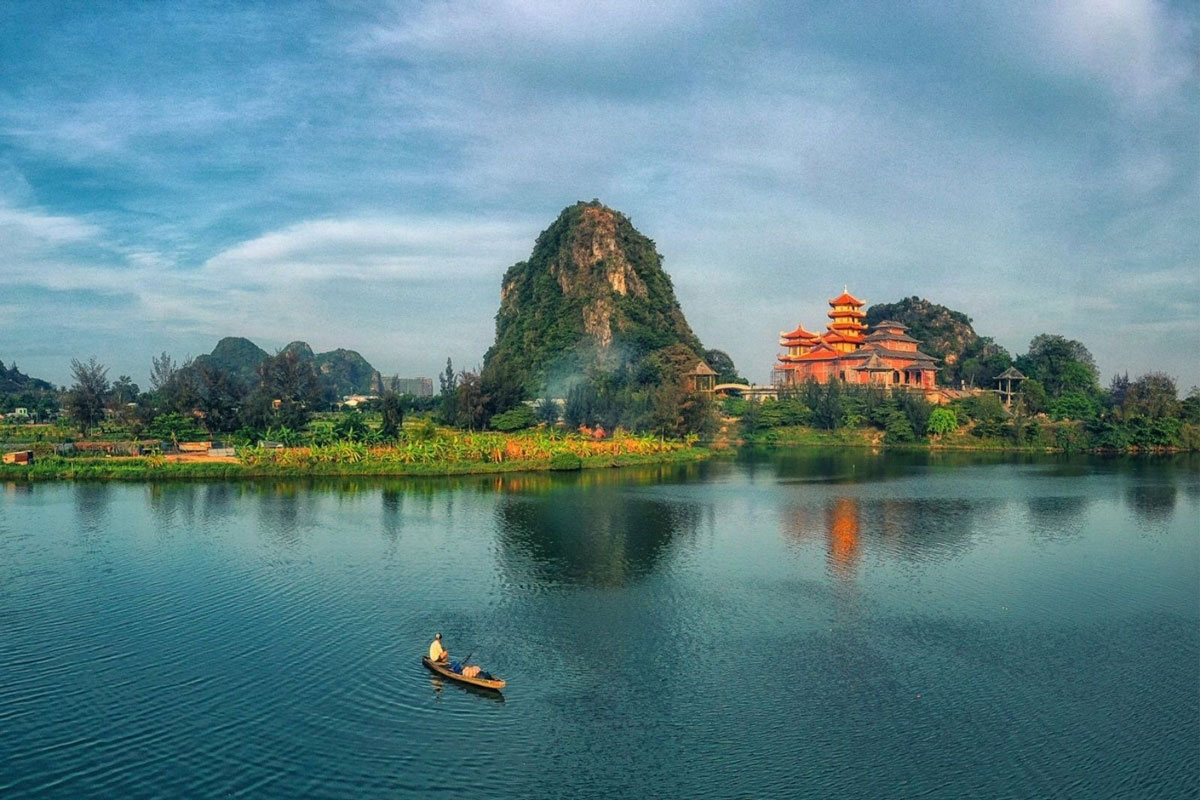
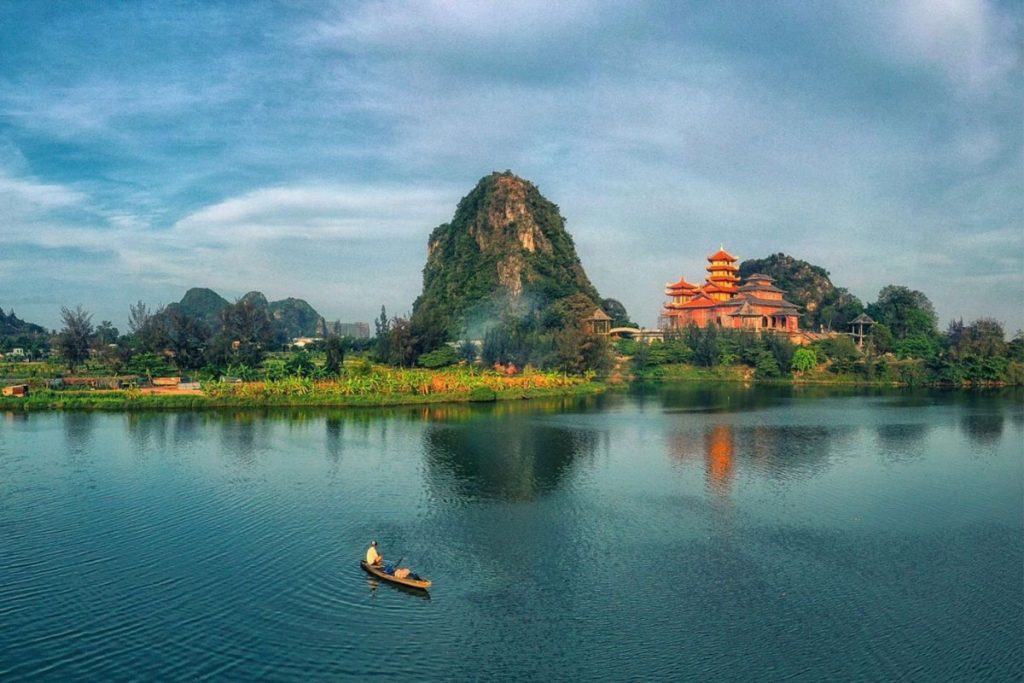
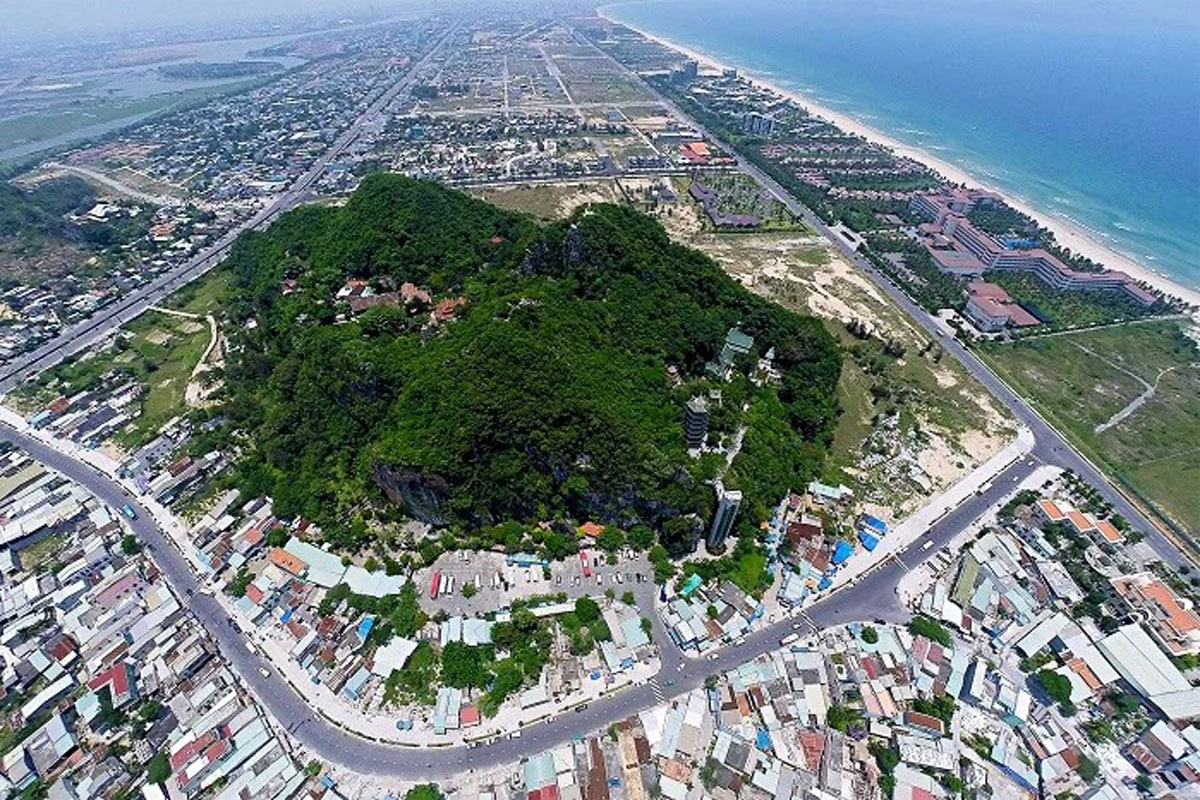
Nestled between the vibrant city of Da Nang and the ancient charm of Hoi An, the Marble Mountains – or Ngu Hanh Son as they are known locally – emerge from the flat coastal plain like five sacred sentinels. For the spiritual explorer traversing the renowned visit Marble Mountains, this cluster of limestone and marble hills offers more than just breathtaking views; it promises a journey into Vietnam’s profound spiritual heart. Each peak whispers tales of ancient gods, revered Buddhas, and the elemental forces that shape our world, inviting quiet contemplation and deep reverence.

The Five Peaks: Elements and Their Significance

Ngu Hanh Son translates directly to “Five Element Mountains,” and indeed, each of the five peaks embodies one of the universal elements, fostering a unique cosmic harmony. While all are significant, only Thuy Son (Water Mountain) is readily accessible to visitors, holding the most elaborate cave systems and pagodas. The other peaks—Moc Son (Wood Mountain), Hoa Son (Fire Mountain), Kim Son (Metal Mountain), and Tho Son (Earth Mountain)—stand as silent guardians, contributing to the mystical energy of the landscape. As you gaze upon them, imagine the elemental balance they represent, a timeless reminder of nature’s power.

Caves, Pagodas, and Statues: What to See

Your exploration will largely unfold on Thuy Son, a labyrinth of natural caves, grottoes, and ancient pagodas. Ascend to the summit and discover the magnificent Huyen Khong Cave, a truly awe-inspiring cavern where sunlight filters through a natural opening, illuminating statues of Buddhist deities and a serene altar. The sheer scale and spiritual ambiance within are palpable. Elsewhere, Tang Chon Cave offers another intimate spiritual experience. Above ground, the historic Tam Thai Pagoda, dating back to the 17th century, and the beautiful Linh Ung Pagoda stand as testaments to centuries of Buddhist devotion. Intricately carved statues of Buddhas, Bodhisattvas, and other mythical figures emerge from the rock walls, each telling a silent story of faith and artistic mastery.
Climbing the Mountains: Tips for Visitors

To fully embrace the spiritual journey, we recommend allowing ample time to ascend Thuy Son. You have two primary options: a series of well-maintained stone steps winding their way up, or a convenient glass elevator for those seeking a quicker ascent or with mobility concerns. Regardless of your choice, comfortable walking shoes are essential as the terrain can be uneven, especially within the caves. Early mornings or late afternoons are ideal for visiting, offering cooler temperatures and a more tranquil atmosphere, allowing you to absorb the spiritual energy without the midday crowds and heat.

Stone Carving Village: Local Craftsmanship

At the base of the Marble Mountains lies the Non Nuoc Stone Carving Village, a testament to generations of skilled artisans. For centuries, craftsmen here have transformed the mountains’ precious marble into exquisite works of art. While today, marble is sourced from other regions to protect the mountains, the traditional techniques and spiritual connection endure. Wander through workshops and showrooms to witness the intricate carving of statues, jewelry, and decorative items. Each piece embodies not just craftsmanship, but also a fragment of the spiritual essence of these sacred hills, making for a truly unique souvenir.

Entrance Fees and Opening Hours

  • Entrance Fee (Thuy Son Mountain): Approximately 40,000 VND per person.
  • Elevator Ticket (Optional): Roughly 15,000 VND per person for a one-way trip.
  • Hell Cave (Am Phu Cave): 25:000 vnd
  • Opening Hours: Typically from 7:00 AM to 5:30 PM daily.

It’s always wise to check current prices and hours before your visit, as they may be subject to change.

Conclusion: A Must-Visit Cultural Site

The Marble Mountains of Da Nang are far more than just a scenic attraction; they are a profound spiritual sanctuary, a cultural marvel, and a testament to the enduring power of nature and human devotion. For the spiritual explorer, a visit here offers a rare opportunity to connect with ancient traditions, witness breathtaking artistry, and experience a deep sense of peace. Allow yourself to be guided by the mystical allure of these elemental peaks, and depart with a renewed sense of wonder and reverence for Vietnam’s rich heritage.
Discover Lang Co Bay, Hue city

Lang Co Bay: Your Tranquil Escape on the Scenic Route

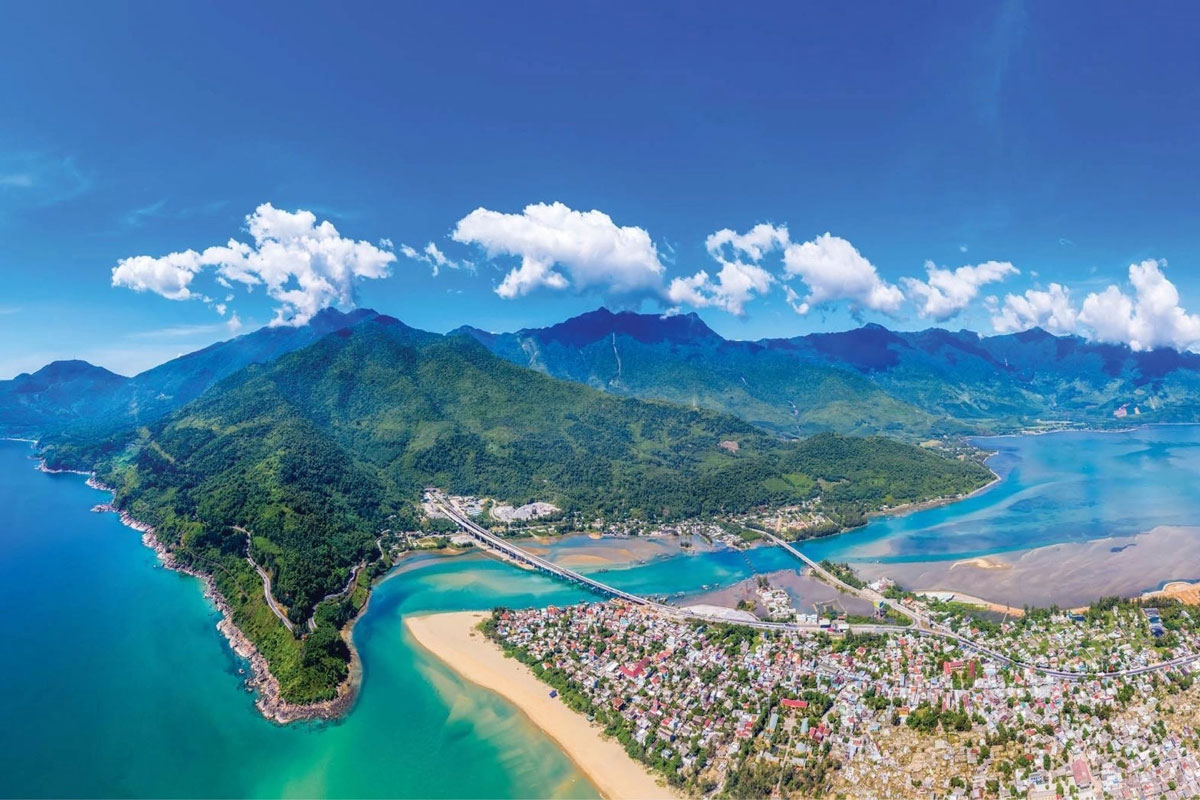
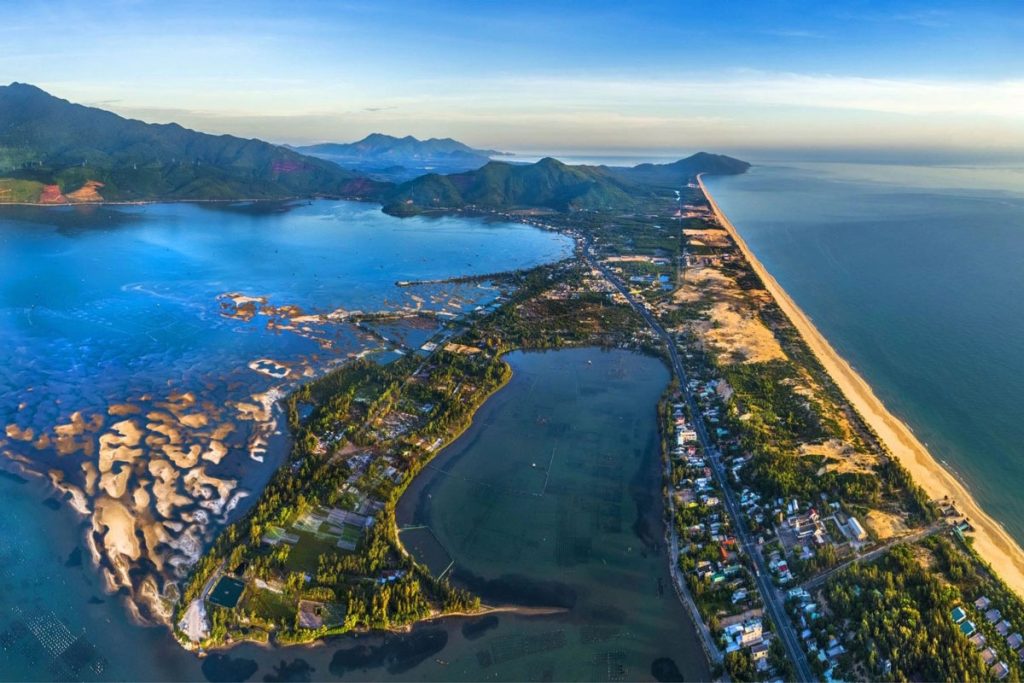
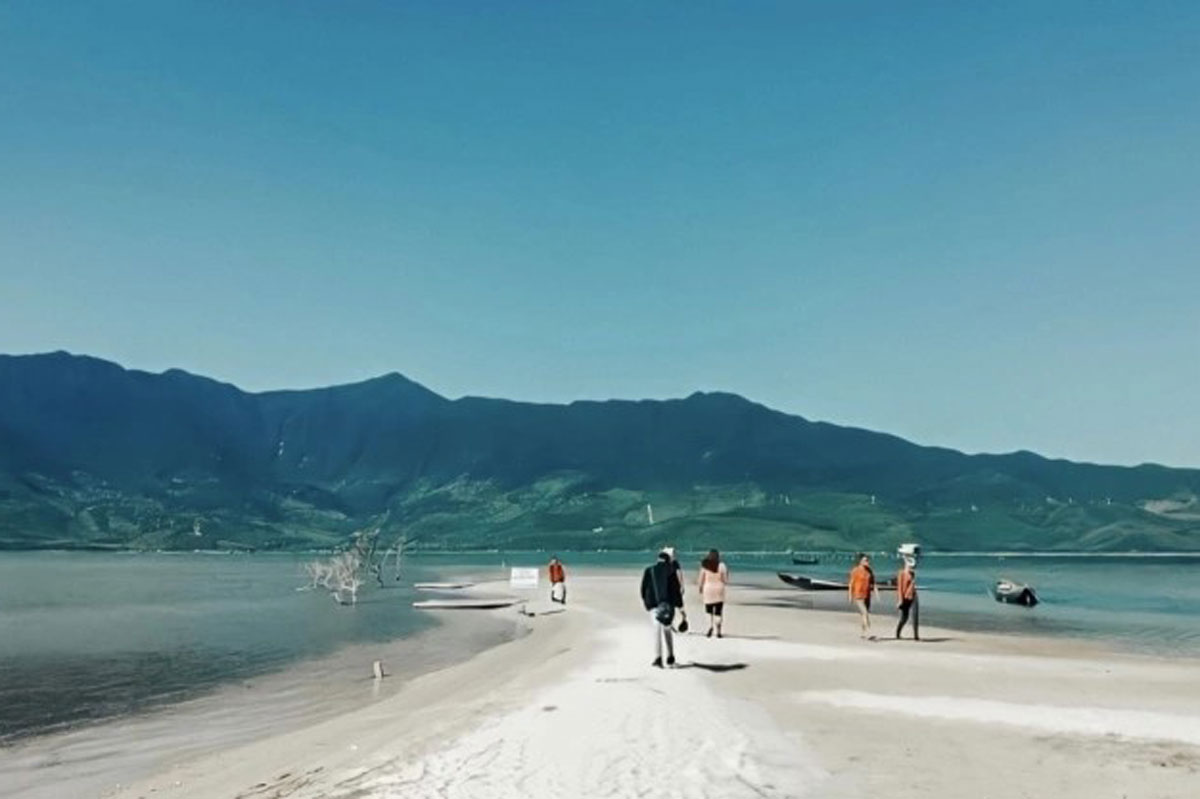
Nestled between the pristine waters of the East Sea and the towering Truong Son Mountain Range, Lang Co Bay emerges as a breathtakingly beautiful and serene stop for any relaxed traveler. Often considered a hidden gem along Vietnam’s spectacular central coast, it’s a place where natural beauty, local charm, and a laid-back pace converge. If you’re looking for things to do Lang Co Bay offers a delightful array of experiences, promising a perfect blend of exploration, culinary indulgence, and peaceful relaxation. Whether you’re driving the famed Hải Vân Pass or simply seeking an idyllic getaway, Lang Co invites you to slow down and truly explore Lang Co Bay.

Beaches and Swimming Opportunities

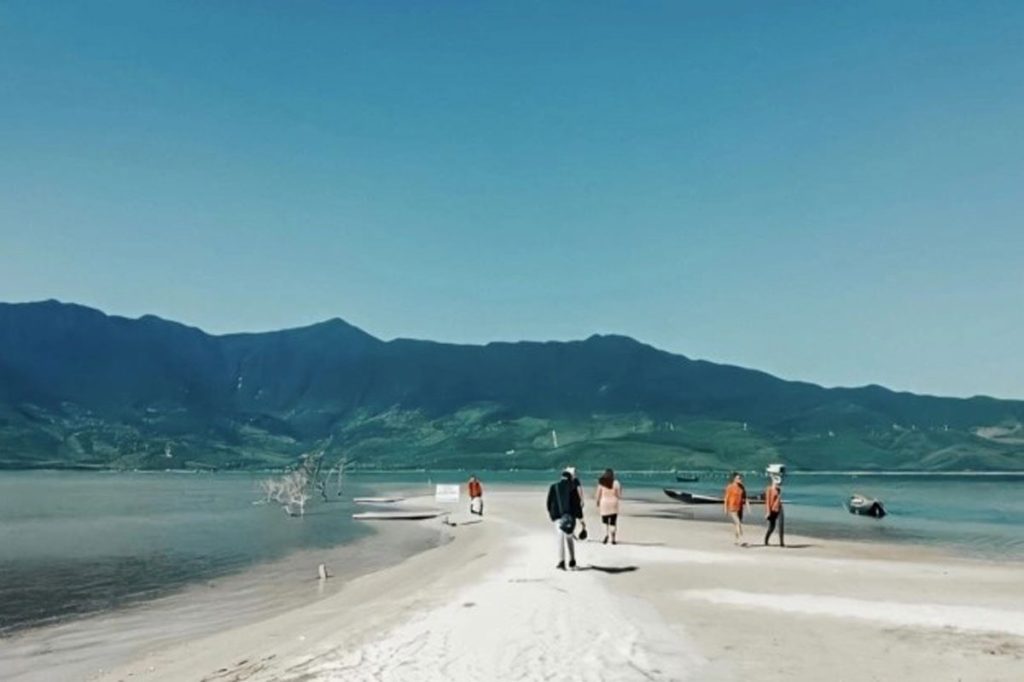
The crescent-shaped Lang Co Beach is undeniably the star attraction. With its long stretch of soft, white sand and crystal-clear, calm turquoise waters, it’s an ideal spot for swimming, sunbathing, or simply unwinding with a good book. The gentle slopes of the seabed make it safe for families, while the refreshing sea breeze offers a welcome respite from the tropical heat. Take a leisurely stroll along the shore, feel the sand between your toes, and let the rhythmic sound of the waves wash away your worries. It’s a truly picturesque setting perfect for quiet reflection or creating joyful memories.

Seafood Delights: Where to Eat

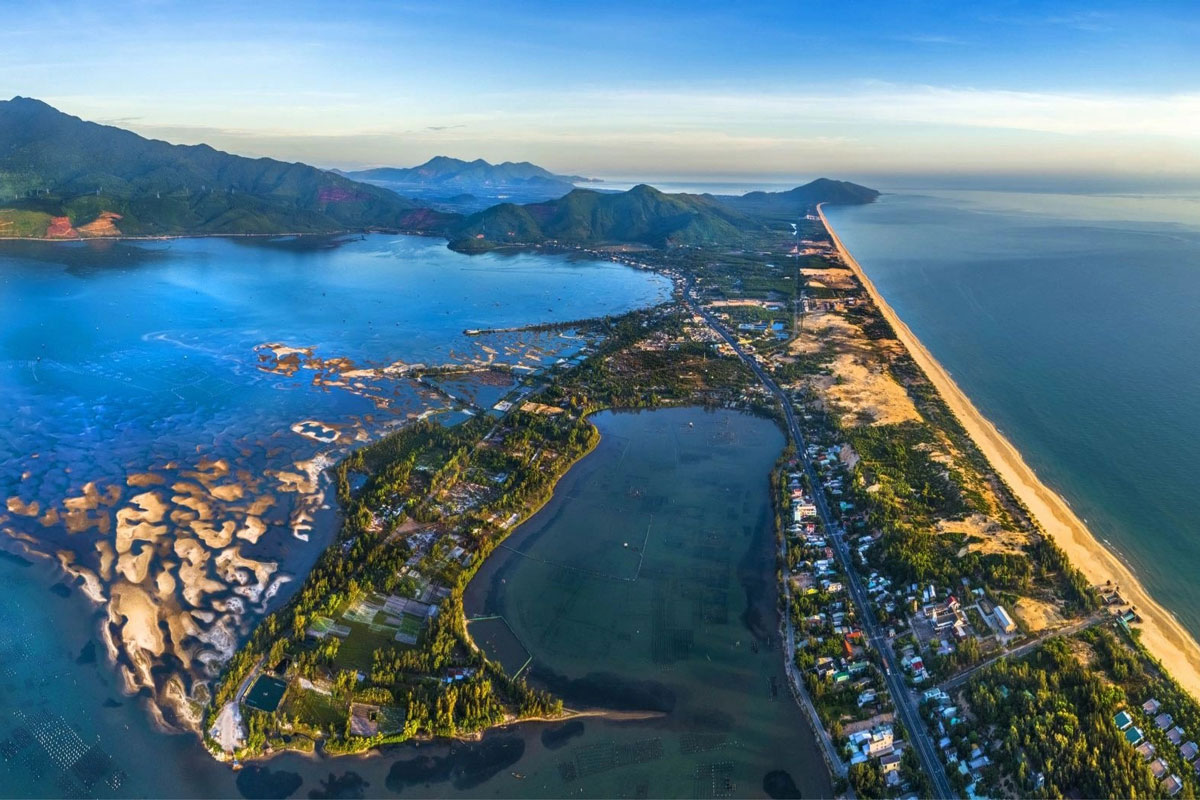
No visit to a coastal haven like Lang Co Bay is complete without indulging in its incredible fresh seafood. The bay is renowned for its abundance of marine life, and local restaurants and eateries are more than eager to showcase their daily catches. From succulent prawns and grilled squid to various types of fresh fish and crab, the flavors are authentic and unforgettable. Look for bustling beachfront establishments or quaint local stalls where you can often pick your seafood live. Don’t miss trying the local oyster dishes, a specialty of the nearby Lap An Lagoon, often prepared with a simple grill or steamed with ginger and spring onion, allowing the natural sweetness of the seafood to shine.

Exploring Lap An Lagoon

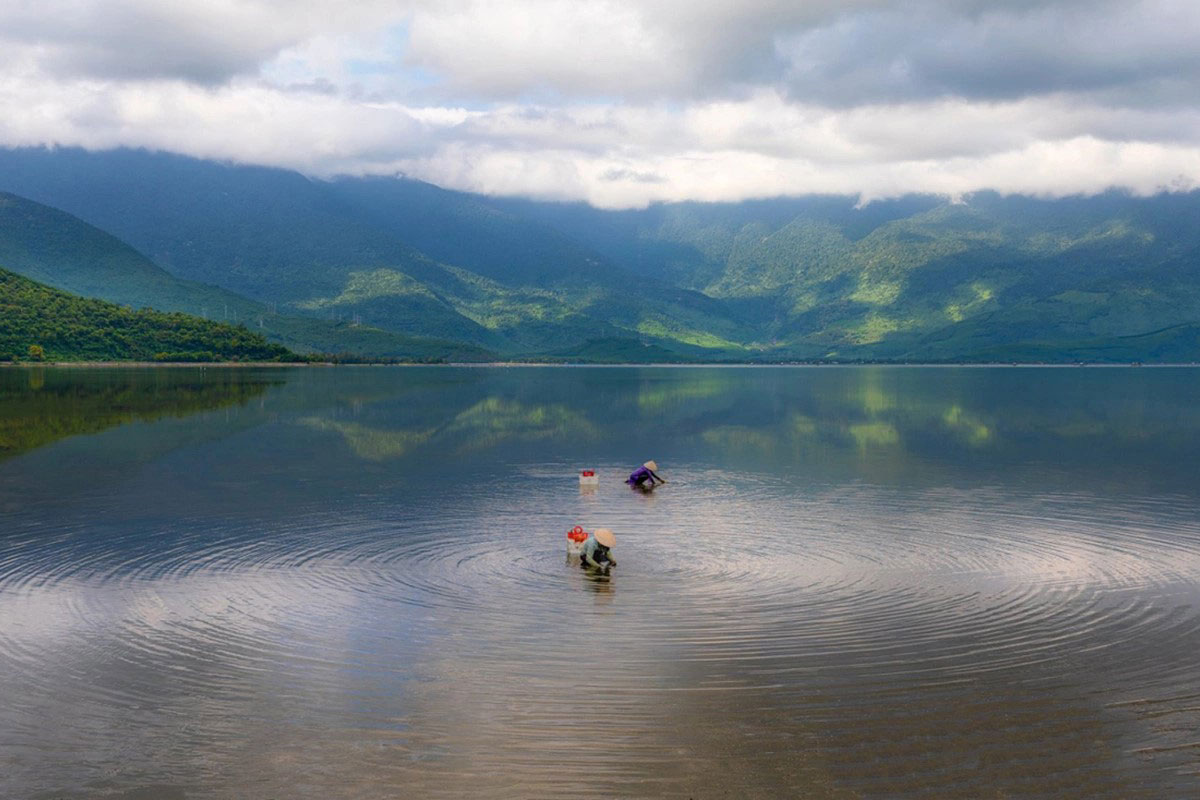
Just a stone’s throw from Lang Co Bay lies Lap An Lagoon, a vast and picturesque brackish water lagoon teeming with life. This stunning natural wonder, framed by mountains, offers a different kind of beauty. It’s famous for its oyster farms, and you’ll often see local fishermen going about their daily routines, creating a captivating scene. Consider renting a small boat to explore the lagoon’s tranquil waters, or simply find a spot along its edge to enjoy the panoramic views, especially at sunset when the sky transforms into a canvas of vibrant colors. The serene atmosphere here is perfect for photography or simply soaking in the natural splendor.

Accommodation Options for an Overnight Stay

To fully embrace the charm and tranquility of Lang Co, an overnight stay is highly recommended. The bay offers a range of accommodation options to suit different preferences, from luxurious beachfront resorts that provide every amenity for a pampered escape to comfortable guesthouses and boutique hotels offering a more intimate experience. Staying overnight allows you to witness the bay’s serene mornings and spectacular sunsets, dine at a leisurely pace, and truly immerse yourself in the local rhythm. Consider options that offer rooms with bay views for an extra touch of magic.

Cultural Experiences in Lang Co

Beyond its natural beauty, Lang Co offers glimpses into authentic local life. Take time to visit the local fishing villages where you can observe traditional methods of fishing and learn about the daily lives of the residents. Explore the small, bustling local markets, where you can find fresh produce, local handicrafts, and interact with friendly vendors. Though not a major cultural hub like nearby Hue or Hoi An, Lang Co’s charm lies in its simplicity and the genuine warmth of its community, providing a gentle insight into Vietnamese coastal culture.

Conclusion: Why Lang Co Deserves a Stop

Lang Co Bay is more than just a beautiful beach; it’s a destination that invites you to relax, savor, and explore at your own pace. With its pristine beaches, delectable seafood, captivating lagoon, and warm local culture, it offers a refreshing antidote to the hustle and bustle of everyday life. Whether you’re seeking a peaceful retreat, a culinary adventure, or simply a stunning backdrop for your travels, the things to do Lang Co Bay provides make it an essential stop on any journey through Central Vietnam. Give yourself the gift of Lang Co’s tranquility – you won’t regret it.

Vietnam’s Most Beautiful Coastal Drive Hoi An to Hue

Hoi An to Hue Scenic Route Guide: Unveiling Vietnam’s Most Beautiful Coastal Drive

For the ardent scenery seeker, Vietnam’s central coast offers a journey unlike any other. Forget the fastest way from Hoi An to Hue; imagine instead a tapestry of emerald mountains, pristine beaches, and charming lagoons, all unfurling before your eyes. This isn’t just a transfer; it’s an adventure, a visual feast, and a deep dive into the heart of Vietnam’s natural splendor. Welcome to the Hoi An to Hue Scenic Route Guide 250 – your ultimate companion to one of Southeast Asia’s most breathtaking road trips.

Why Choose the Scenic Route Over Direct Transfers?

While direct buses or trains offer convenience, they bypass the very essence of what makes this region so captivating. Choosing the scenic route means opting for an immersive experience that traditional transport simply cannot provide. You gain the freedom to stop whenever a view steals your breath, to linger in charming local spots, and to truly connect with the landscape. It’s a journey designed for discovery, offering endless photographic opportunities and a sense of exhilaration as you navigate winding coastal roads, each turn revealing a new, stunning vista.

Essential Stops: Marble Mountains, Da Nang Coastline, Lang Co

  • Marble Mountains: Spiritual Heights and Panoramic Views

    Your first essential stop after leaving Hoi An, the Marble Mountains are a cluster of five limestone and marble peaks, each named after one of the five elements. Explore ancient pagodas, intricate cave systems, and climb to the summit for a rewarding panoramic view of Da Nang’s coastline and the surrounding countryside. It’s a captivating blend of natural beauty and spiritual serenity.

  • Da Nang Coastline: Urban Beaches Meet Azure Waters

    As you approach Da Nang, the sprawling, golden sands of its coastline beckon. While you might not stop for a full beach day, a quick pull-over offers stunning views of My Khe Beach – consistently ranked among the world’s most beautiful – and the bustling cityscape framed by the ocean. It’s a perfect spot to feel the sea breeze and snap a few photos.

  • Lang Co: Pristine Lagoon and Fishing Village Charm

    After the urban energy of Da Nang, Lang Co welcomes you with its tranquil beauty. This picturesque lagoon, flanked by mountains on one side and the East Sea on the other, is home to a quaint fishing village. The long, sandy beach here is less crowded and offers a peaceful respite, often reflecting dramatic cloud formations in its calm waters. Enjoy a fresh seafood lunch by the water, soaking in the serene atmosphere.

The Hai Van Pass: Crown Jewel of the Journey

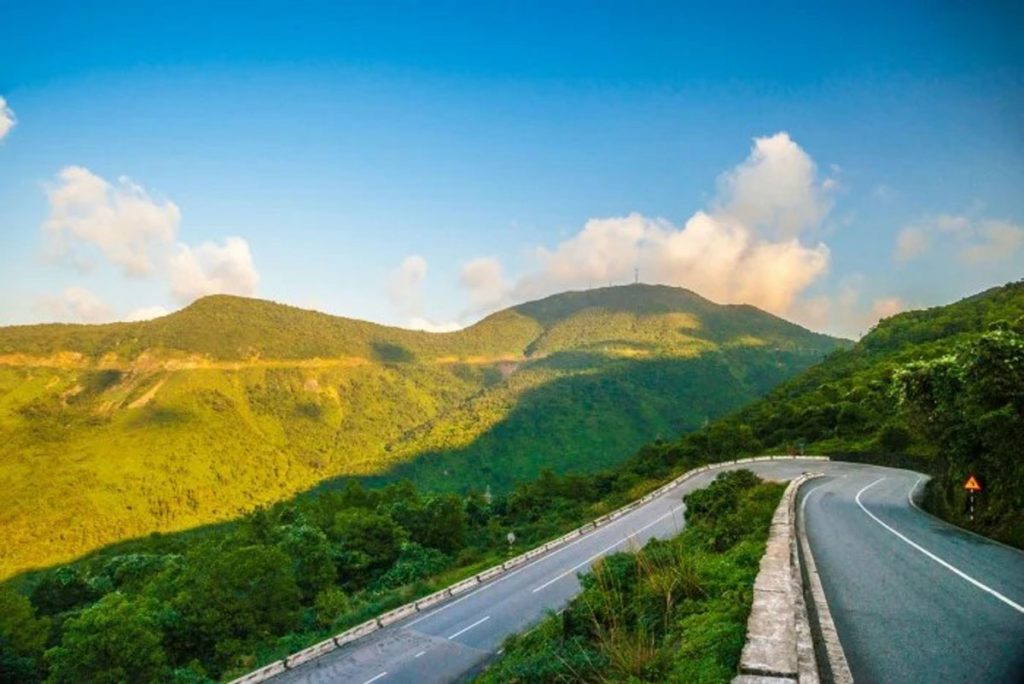
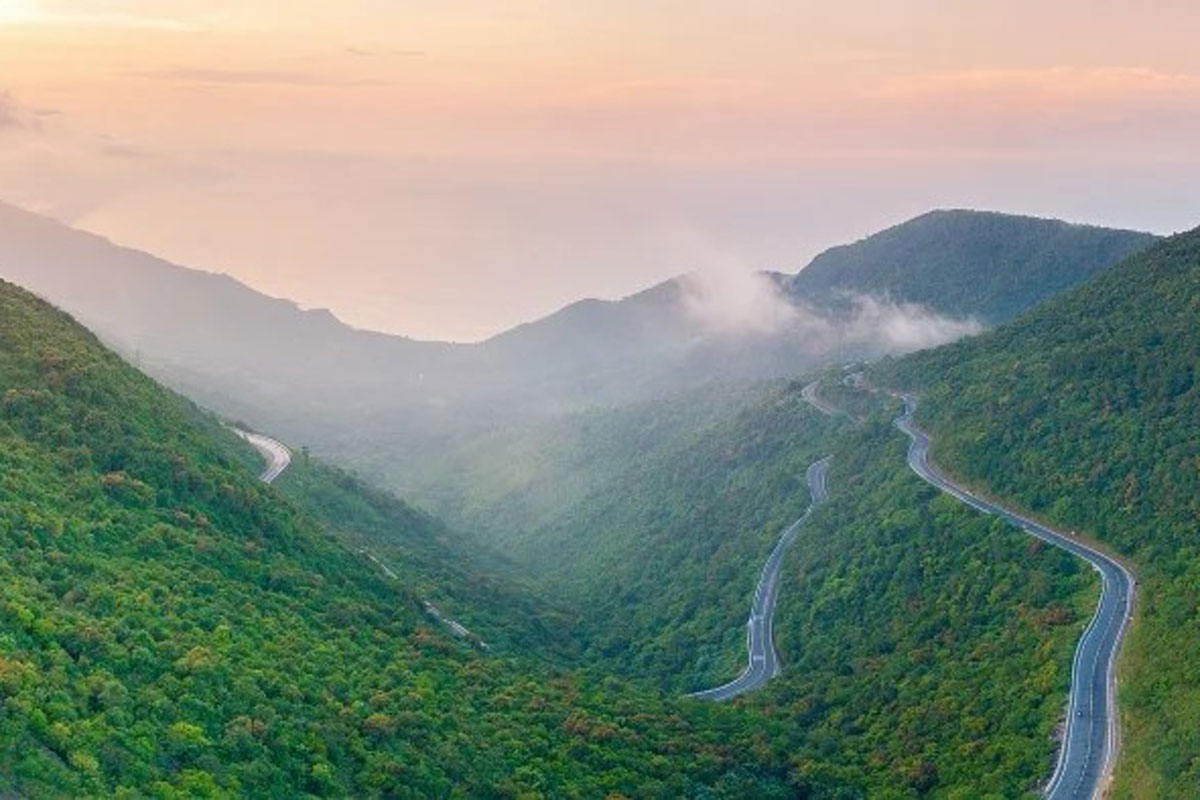
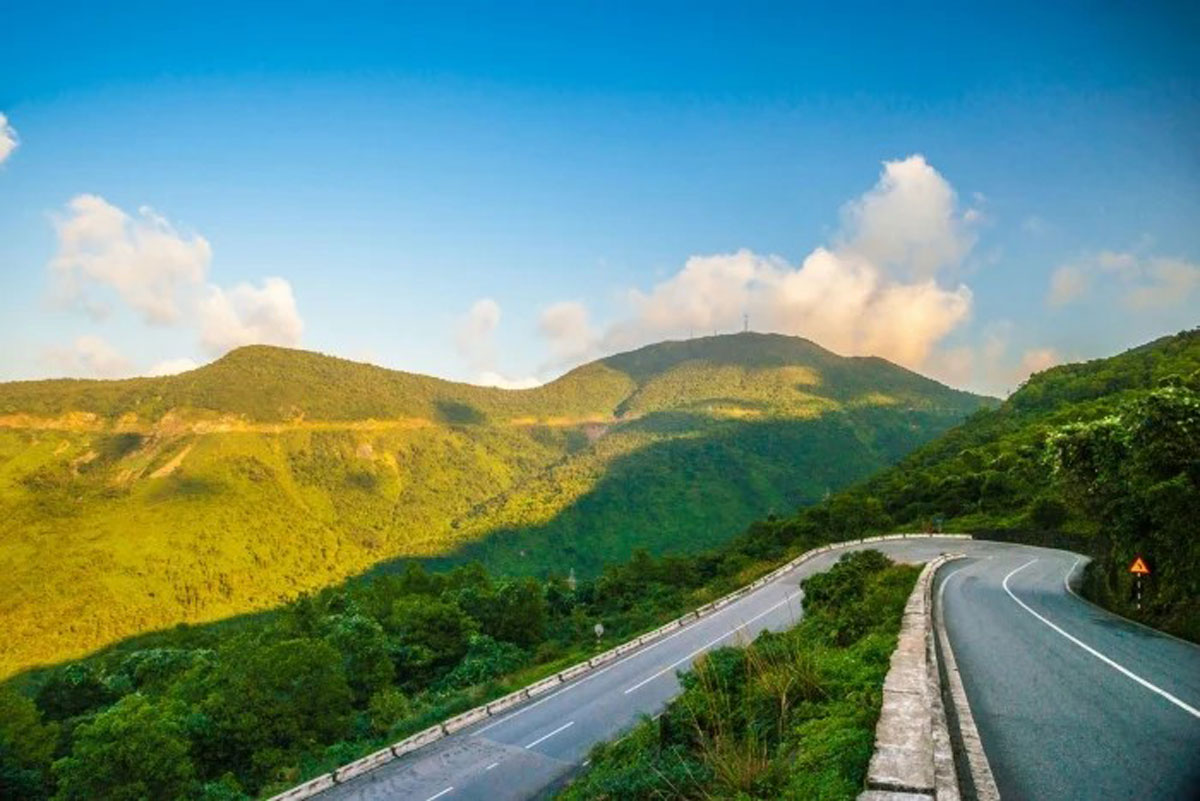
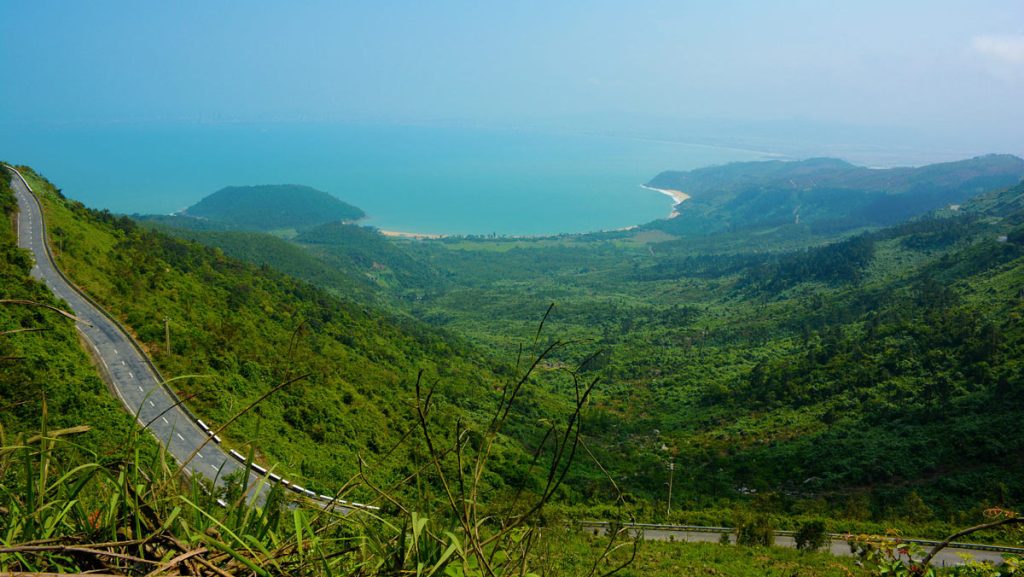
No description of the Hoi An to Hue scenic route is complete without celebrating the legendary Hai Van Pass. Meaning “”Ocean Cloud Pass,”” this dramatic stretch of road snakes its way over the Truong Son mountain range, often shrouded in mist that drifts in from the East Sea. Famously featured on Top Gear, the Hai Van Pass offers exhilarating bends, breathtaking coastal views, and incredible photo opportunities at every turn. From its summit, you’ll be treated to unparalleled vistas of Da Nang, Lang Co Bay, and the vast, glittering ocean – a truly unforgettable moment for any scenery lover.

Beyond the Main Attractions: Local Insights

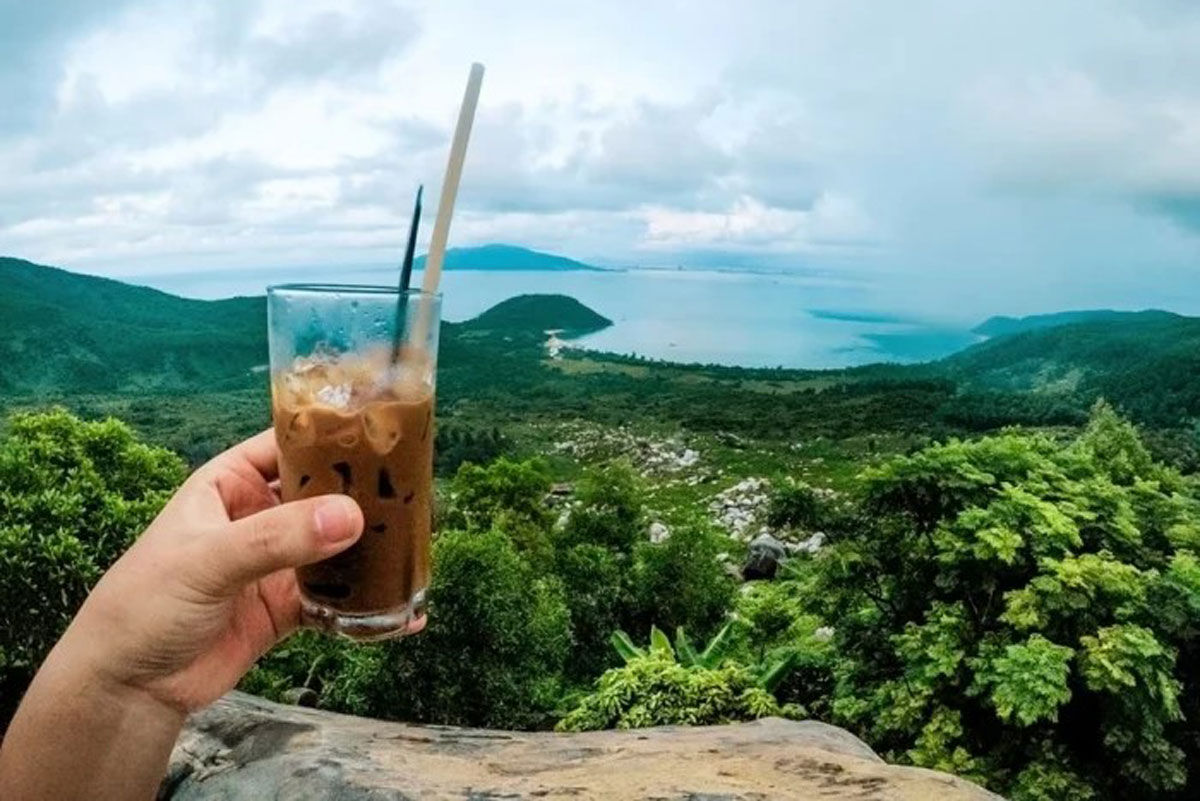
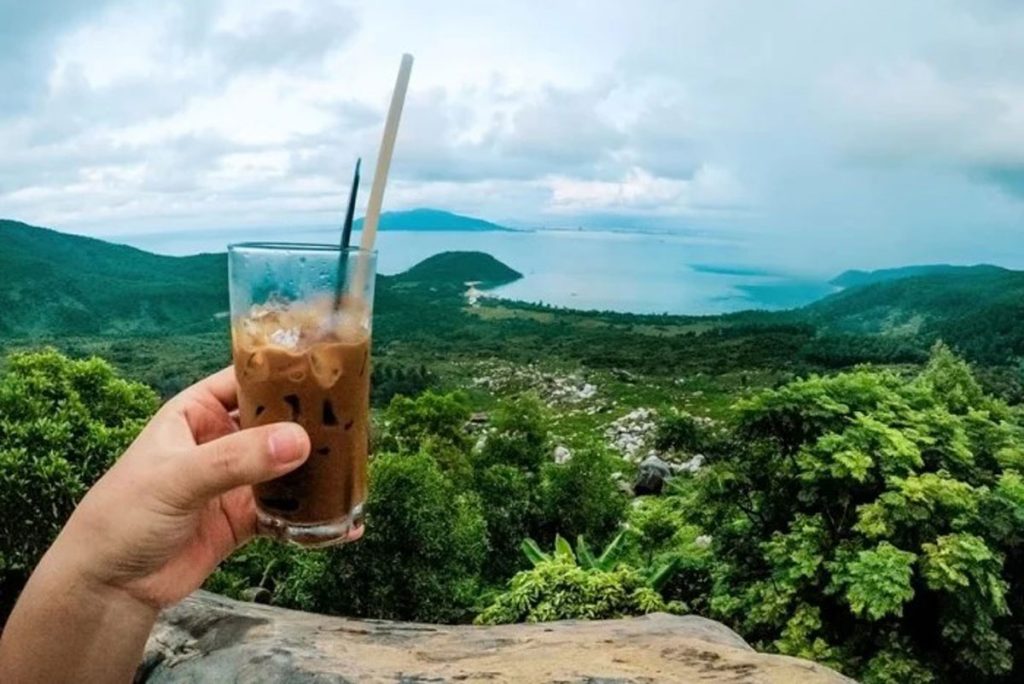
The beauty of this journey lies not just in its iconic landmarks, but also in the moments between. Keep an eye out for hidden gems: small, rustic coffee shops tucked away on mountain curves, local fishermen casting their nets in the lagoons, or vibrant rice paddies shimmering under the sun. Stopping at a roadside stall for a fresh coconut or a simple bowl of Pho offers a taste of authentic local life that mass tourism often misses. Embrace the unexpected and let the journey guide you.

Planning Your Perfect Scenic Trip

To truly savor the Hoi An to Hue scenic route, careful planning enhances the experience. The best way to travel is by motorbike (for experienced riders) or, for a more relaxed and equally engaging experience, with a private car and driver or an “Easy Rider” tour. These options allow for flexibility, comfort, and the ability to stop at all the incredible viewpoints. For those seeking an organized and unforgettable experience, consider booking an Hoi An to Hue scenic route tour. The dry season (February to August) generally offers the best weather, with clear skies perfect for photography. Remember to bring sunscreen, a hat, a camera, and an adventurous spirit!

Conclusion: A Journey for the Senses

The Hoi An to Hue scenic route is more than just a means of transport; it’s an immersive adventure that awakens the senses. From the spiritual tranquility of the Marble Mountains to the awe-inspiring vistas of the Hai Van Pass and the serene beauty of Lang Co, every moment on this journey is a discovery. For the scenery seeker, it’s a promise of unforgettable landscapes, cultural insights, and the pure joy of the open road. Don’t just travel between these two historic cities; experience the vibrant heart of Vietnam in a way that will stay with you long after the journey ends.

Discover the Legendary “Sea Cloud Pass”

Hai Van Pass Motorbike Adventure – Conquer the Legendary “”Sea Cloud Pass””

Prepare to unleash your inner adventurer on one of Vietnam’s most iconic stretches of asphalt – the legendary Hai Van Pass. Heralded by Top Gear as “”a deserted ribbon of perfection – one of the best coastal roads in the world,”” this isn’t just a scenic drive; it’s a thrilling quest. The Hai Van Pass Motorbike Adventure 400 isn’t just about covering distance; it’s about embracing the raw, untamed beauty of Vietnam, feeling the pulse of the road beneath you, and etching an unforgettable saga into your travel memories. This is for the fearless, the free-spirited, and those who chase the horizon.

Why Motorbike is the Ultimate Way to Experience It

Forget the insulated comfort of a car or the fleeting glimpses from a bus window. To truly conquer the Hai Van Pass, you need to be one with the road. A motorbike offers an unparalleled, visceral experience. Feel the crisp mountain air on your face, the roar of the engine echoing through ancient peaks, and the intoxicating scent of pine and sea salt filling your lungs. Every twist, every turn, every breathtaking panorama is amplified when you’re directly connected to the elements. This isn’t just travel; it’s an immersion, a dance between rider, machine, and magnificent landscape, offering a freedom no other mode of transport can match.

Iconic Viewpoints and Photo Opportunities

Every meter of the Hai Van Pass is a feast for the senses, but certain spots demand a pause. As you ascend, the old French bunkers stand as silent sentinels, offering not just a glimpse into history but also spectacular vantage points over the vast East Sea. Capture the dramatic curves of the road winding down towards Da Nang, a modern cityscape framed by endless blue. Look north, and the serene crescent of Lang Co Beach beckons, a perfect juxtaposition of rugged mountains and tranquil lagoons. Don’t miss the “”Heaven’s Gate”” sign, a prime photo op marking your arrival at the pass summit, where the clouds often kiss the mountaintops, creating an ethereal spectacle. These aren’t just photos; they’re trophies from your epic journey.

The Thrilling Ride: Twists, Turns, and Elevation

This is where the Hai Van Pass truly delivers its adrenaline kick. The road itself is a masterpiece of engineering and nature, a serpentine ribbon of asphalt clinging precariously to the mountainside. Brace yourself for exhilarating hairpin bends that demand focus and skill, sweeping curves that invite you to lean into the turn, and dramatic changes in elevation that make your heart pound. The climb is invigorating, the descents equally thrilling, offering unparalleled views at every angle. Feel the power of your machine as you navigate the challenging terrain, a sense of accomplishment surging with every mile conquered. It’s a symphony of engine noise, wind, and the sheer joy of riding.

Beyond the Pass: What Lies at Each End

The Hai Van Pass serves as a magnificent bridge between two distinct cultural hubs. To the south, the vibrant energy of Da Nang or the ancient charm of Hoi An awaits, offering bustling markets, pristine beaches, and UNESCO World Heritage sites to explore. To the north, you descend into the tranquil beauty of Lang Co Beach, a perfect spot for a rejuvenating break, before continuing your journey to the imperial city of Hue, rich with history and royal grandeur. Whether you’re starting from Hoi An and heading north, or vice versa, the journey beyond the pass is an integral part of the adventure. For an unforgettable journey connecting these iconic destinations, consider a guided Hai Van Pass motorbike adventure, ensuring every mile is part of a grander discovery.

Conclusion: Your Epic Hai Van Story

Conquering the Hai Van Pass by motorbike isn’t just a trip; it’s a rite of passage for the adventure seeker. It’s the thrill of the ride, the awe of the scenery, and the profound connection to Vietnam’s magnificent landscape. When you complete this journey, you won’t just have a collection of photos; you’ll have an epic story. A story of wind in your hair, the roar of the engine, and the triumphant feeling of navigating one of the world’s most spectacular roads. So, gear up, ignite your spirit, and embark on your own Hai Van Pass Motorbike Adventure. The legend awaits your footprint.

Why Choose the Easy Rider Hoi An to Hue Adventure?

Why Choose the Easy Rider Hoi An to Hue Adventure?

Are you an adventurous soul yearning for more than just a bus ride between two of Vietnam’s most enchanting cities? The iconic Hoi An to Hue Easy Rider Tour offers an unparalleled experience, transforming a simple journey into an epic exploration. Forget the cramped seats and missed photo opportunities; with a local Easy Rider, you’re not just a passenger, you’re an explorer on a personalized adventure. You’ll discover hidden gems and breathtaking landscapes that package tours simply can’t deliver. This isn’t just a transfer; it’s an immersive cultural and scenic odyssey, perfectly experienced through the Hoi An to Hue Easy Rider Tour.

The Unforgettable Route: Key Highlights and Stops

Prepare for a sensory feast as your Easy Rider navigates one of Vietnam’s most picturesque coastal routes. Each stop is carefully chosen to maximize your experience:

  • Hai Van Pass: The Cloud Pass: Brace yourself for the legendary Hai Van Pass, famously featured on Top Gear. Winding through verdant mountains with the South China Sea stretching endlessly below, this pass offers unparalleled panoramic views. Your Easy Rider will stop at the best vantage points, allowing you to capture stunning photos and soak in the majestic scenery. Feel the exhilarating rush as you conquer this iconic mountain road.
  • Lang Co Beach: Coastal Serenity: Descend from the pass to the pristine shores of Lang Co Beach. With its crescent-shaped coastline and tranquil blue waters, it’s the perfect spot for a refreshing break, a quick swim, or to savor some fresh local seafood by the lagoon. It’s a moment of calm amidst the adventure.
  • Marble Mountains: Spiritual Caves and Views: Just outside Da Nang, the Marble Mountains are a cluster of five limestone and marble hills, each named after one of the five elements. Explore ancient pagodas, intricate cave systems filled with Buddhist shrines, and climb to the summit for breathtaking 360-degree views of Da Nang city and the coastline. Your guide will share fascinating legends of these spiritual sites.
  • Fishing Villages & Rice Paddies: Beyond the main highlights, your Easy Rider will often reveal hidden local spots – charming fishing villages, expansive rice paddies, or even a cashew nut farm, offering authentic glimpses into Vietnamese rural life.

What to Expect: Safety, Comfort, and Authentic Local Insights

Choosing an Easy Rider means choosing a worry-free, enriching journey:

  • Uncompromised Safety: Your safety is paramount. Experienced Easy Riders are skilled, road-tested motorcyclists who know this route intimately. They provide quality helmets and drive at a comfortable, secure pace, letting you relax and enjoy the scenery.
  • Ultimate Comfort: Forget uncomfortable buses. You’ll ride pillion on a well-maintained motorbike, free to stretch your legs, take photos, and even stand up slightly to get a better view (when safe). You dictate the pace, making spontaneous stops whenever something catches your eye. Luggage is securely stored, leaving you unburdened.
  • Invaluable Local Insights: This is where the Easy Rider experience truly shines. Your guide isn’t just a driver; they’re a storyteller, a local expert, and a friend. They’ll share fascinating facts about Vietnamese culture, history, and daily life, point out indigenous flora and fauna, and introduce you to authentic local cuisine at roadside eateries you’d never find alone. Expect engaging conversations and a deeper connection to Vietnam.

Booking Your Hoi An to Hue Easy Rider Adventure

Ready to embark on this incredible journey? Here are some tips for booking your Hoi An to Hue Easy Rider adventure:

  • Choose Reputable Providers: Look for companies or independent riders with excellent reviews on platforms like TripAdvisor. Check their experience, safety record, and what’s included in the price (e.g., fuel, accommodation if multi-day, entrance fees).
  • Communicate Your Preferences: Don’t hesitate to discuss your interests upfront. Do you want more cultural stops, scenic viewpoints, or specific local food experiences? A good Easy Rider will tailor the tour to your desires.
  • Book in Advance: Especially during peak travel seasons, popular Easy Riders can be fully booked. Secure your spot ahead of time to avoid disappointment.
  • Clarify Inclusions: Always confirm what the quoted price covers. Some tours include lunch, water, and entrance fees to attractions, while others might be for the ride only.

Conclusion: Your Unforgettable Journey Awaits

The Hoi An to Hue Easy Rider Tour 350 isn’t just a trip; it’s an immersive cultural escapade and a thrilling adventure rolled into one, an opportunity to connect with Vietnam on a deeper level and forge unforgettable memories. So, pack your adventurous spirit, trust in your local guide, and prepare for an unforgettable ride from Hoi An to Hue – a journey where every turn holds a new discovery. Your open-road adventure awaits!

Best Stops Hoi An Hue Easy Rider

Hoi An to Hue Motorbike Tour: The Ultimate Guide

Embark on an adventure of a lifetime, swapping mundane bus rides for the open road wind in your hair! The journey from Hoi An to Hue by motorbike, especially with an Easy Rider tour, isn’t just travel; it’s an immersive exploration of Vietnam’s breathtaking central coast. This is more than just a commute; it’s an essential pilgrimage for any true adventurer seeking unparalleled freedom, stunning vistas, and genuine cultural encounters. Get ready to plan your definitive journey.

The Route Unveiled: Key Stages and Distances

Your unforgettable Hoi An to Hue motorbike tour typically spans around 140-160 kilometers, offering a perfect blend of coastal roads, mountain passes, and rural landscapes. The core of the adventure follows Highway 1A and the legendary Hai Van Pass. You’ll transition from the charming ancient town of Hoi An, hugging the coastline towards Da Nang, before ascending into the dramatic mountains, and finally descending into the historic imperial city of Hue. Each segment offers a distinct flavor, promising constant visual engagement.

Must-See Stops: Top Attractions Along the Way

  • Marble Mountains: A cluster of five limestone and marble hills, each named after one of the five elements. Explore caves, pagodas, and enjoy panoramic views.
  • Hai Van Pass: The “”Ocean Cloud Pass”” offers arguably the most spectacular coastal views in Vietnam. Traverse winding roads through mist and mountains, pausing at viewpoints to soak it all in.
  • Lang Co Bay: Often hailed as one of the most beautiful bays in the world, this tranquil lagoon town is perfect for a seafood lunch stop or a refreshing dip.
  • Nhi Ho Water Fall (Two Lake Spring) : A natural playground with crystal-clear waters, rock formations, and small waterfalls, ideal for swimming and relaxation, especially on a hot day.
  • Local Fishing Villages: Experience authentic Vietnamese life as you pass through vibrant fishing communities, witnessing daily routines unchanged for generations.

What to Expect: Scenery, Culture, and Local Interactions

Prepare for a sensory feast. The scenery will shift dramatically from serene rice paddies and bustling cityscapes to rugged coastlines and misty mountain peaks. You’ll feel the crisp mountain air, the warmth of the coastal sun, and smell the salty ocean breeze. Culturally, this tour provides a unique window into local life; expect friendly waves from villagers, the opportunity to try authentic street food, and insights from your guide about traditions and history. This journey is about truly experiencing Vietnam, not just seeing it.

Practical Tips: Best Time to Go, Duration, What to Bring

The ideal time for this tour is during Vietnam’s dry season, typically from March to August, when the weather is sunny and the roads are clear. The full tour usually takes a comfortable 8-10 hours, allowing ample time for stops and exploration. Essentials to bring include sunscreen, sunglasses, a wide-brimmed hat, a camera, light layers of clothing, a waterproof jacket (just in case), comfortable shoes, and plenty of water. Don’t forget some local currency for snacks and souvenirs.

Why Choose Hue Easy Rider: Unique Selling Points

Opting for a guided Hue Easy Rider tour transforms this journey from merely scenic to truly extraordinary. Their local guides are not just drivers; they are storytellers, navigators, and cultural ambassadors, ensuring your safety while enriching your experience with insider knowledge and hidden gems. You’ll gain insights into Vietnam that go beyond any guidebook. For the most comprehensive planning and to discover every hidden gem along this iconic route, explore the ultimate Hoi An to Hue motorbike guide provided by Hue Easy Rider, guaranteeing a seamless and unforgettable adventure tailored to your interests.

Conclusion: Your Unforgettable Journey Awaits

The Hoi An to Hue motorbike tour is more than just a ride; it’s an expedition that carves a lasting memory into your travel repertoire. It’s about embracing the unknown, connecting with the landscape, and discovering the heart of Vietnam from an exhilarating perspective. So, gear up, clear your mind, and prepare for an unforgettable journey that promises freedom, beauty, and adventure at every turn.

Hue City – The Cultural Heritage

Hue city is one of the few ancient capitals of the world that maintains today a cultural heritage of national and international importance. On making Hue capital of Viet Nam early in the 19th century, the Nguyen Dynasty (1802 – 1945) had constructed here a complete urban complex in which the Perfume River took a vital role.

Fortifications and palaces, where the Court held office and the Royal family lived, are built on the north bank of the river. Here exist 3 walled enclosures and hundreds of palaces and buildings.

Toward the south bank of the river is the Royal burial area studded with the Nam Giao Esplanade (where Emperors offered sacrifices to God), Royal Arena (for combats of elephants and tigers), Temple of Literature (with 32 stone stelae bearing lists of Doctors), Temple of the Jade Cup (dedicated to a Goddess) and several other well-known beauty-spots.

Pagodas and houses with gardens are also part of the specific architecture of this representative Oriental city.

All types of monuments of Hue city are in sublime harmony with nature.

The ancient capital city also has a museum, known as the Hue Royal Antiquities Museum, which displays and preserves thousands of antiquities from the Nguyen times.

During their stay in Hue city, tourist can enjoy court dances, listen to Hue classical music on the boat-ride, take part in traditional festivals and come into contact with costumes and habits of the Hue courteous, mild and quiet people.

Both life and landscape here are poetical, bringing self-confidence and worthlessness to everybody. It is Hue that was valuated in 1981 by Mr. Amadou-Mahtar-M’Bow the then Director General of UNESCO as “a masterpiece of urban poetry”.

Hue city is famous with local people life and landscape are beautiful, bringing self-confidence and worthlessness to everybody. If the weather is fine and take part in Hue 1 day tour with Hue Easy Rider team and get explore Hue in your way

Hue Imperial Citadel – Walls And Royal Palaces

Hue Imperial Citadel is the only capital city of the Vietnamese monarchy that remains today. It was on principles of the Oriental feng-shui that walls and royal palaces of Hue were systematically planned and constructed.

This architectural complex faces southeast, taking the Royal Screen Mount as a natural screen. Two islets in the Perfume River play the roles of “Left Dragon” and “Right Tiger” guarding the city.

Over 10,000m in circumference, the first wall, known as the Hue imperial citadel, is solidly built for the protection of all court activities.

Imperial City, the second wall, around 2,400 m in circumference, is dotted with offices where the monarch and high-ranking mandarins came for daily work.

Forbidden Purple City, the third wall, about 1,200 m in circumference, is private quarters of the Emperor and his family.

Within these three walls are hundreds of monuments including palaces for Ministries, Institutes and other bodies of the Court, dozens of buildings and royal temples living apartments, royal gardens, artificial canals where Emperors came for rest and entertainment.

In general, monuments of Hue imperial citadel are made chiefly of ironwood and some other Vietnamese traditional materials. They are constructed, however, on a specific “module” much in accordance with the characteristic climate and nature of the region.

Seriously damaged by time and war though, walls and royal palaces of Hue imperial citadel are highly esteemed and financially supported for restoration.

Hue city is one of the ancient capitals of the world that maintains a cultural heritage of national.  On making Hue capital of Viet Nam early in the 19th, Nguyen Dynasty had constructed here a complete urban complex.

Aside from the Hue imperial citadel, Royal tombs  is another must see in Hue. If the weather is fine and take part in Hue city tour by motorbike with Hue Easy Rider team and get explore Hue in your way

Hue Citadel

The Hue citadel is a colossal fortification complex, largest and most strongly – built in Vietnam’s monarchy. Constructed during three first decades of the 19th century, it called for a lot of mind, materials and toil of the whole country.

Before the construction work started, the Nguyen Court had bettered the navigation network in the vast expanse north of the Perfume River. It was there that two rivers were filled up for the citadel site and two others were dug, one inside the citadel known as the Royal Canal and one outside called the Defensive River. A moat round the citadel was also created as the second defense line.

It is believed that the citadel was built on Vauban (French) design. The area covering 520sq.hectares is almost square in shape. It’s wall 6.60m high, 21m thick and over 10,000m in circumference is built serratedly to provide positions for 24 bastions armed with over 400 cannons.

Access to the citadel can be made by 10 entrances, each with a two – storied watch – tower.

The Hue citadel is planned and constructed on traditional principles of architecture. Within it, interlacing roads form separate quarters such as those of Six Ministries, barracks, Insitute of Security Council, Museum,, National Institute of History, National Archives, National University, Lake of the Serene Heart, etc…

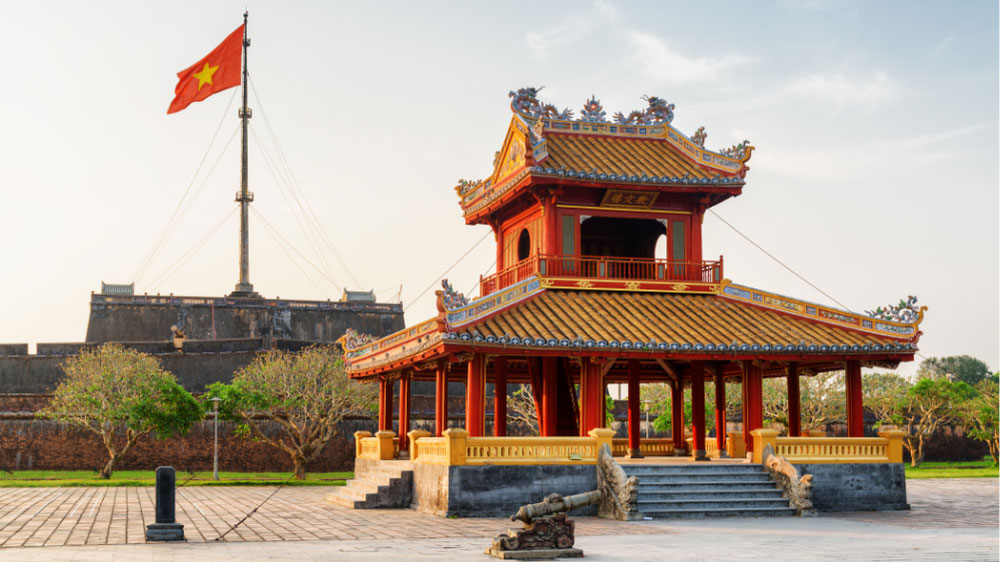
Among monuments closely related to the citadel are the Flag – Tower, Observatory, Pavilion of Edicts, Ministry for Foreign Affairs, etc…

An intermingling of Occidental and Oriental architecture and result of apt use of local geographical features, the Hue citadel was once a masterpiece of the Vietnamese people.

Hon Chen temple

Discover the Sacred Hon Chen Temple (Temple of the Jade Cup) in Hue!

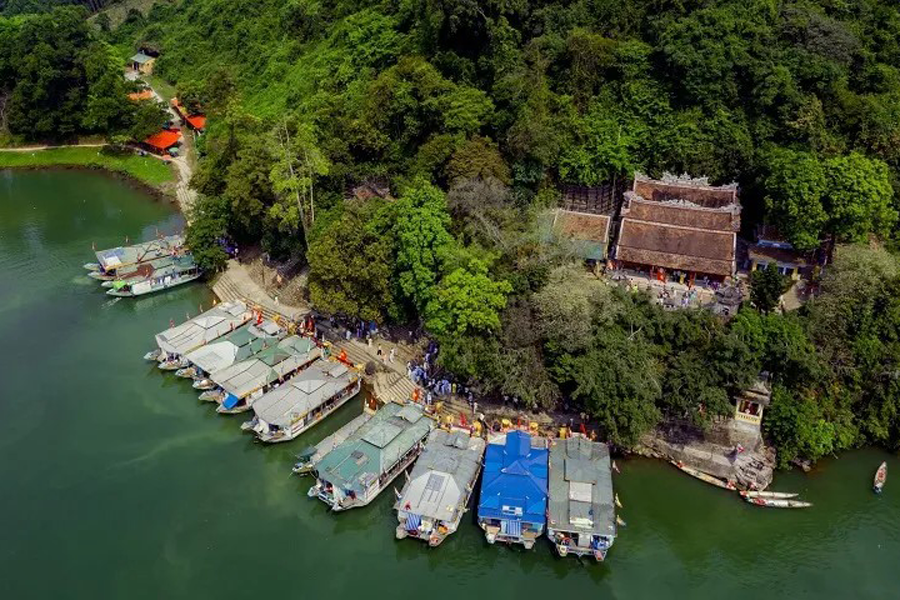
Nine kilometers from the Hue Citadel by road, traveling toward the source of the romantic Perfume River, lies a hidden spiritual gem: the Hon Chen Temple (Temple of the Jade Cup). Perched on the southern side of Jade Cup Mountain on the river’s left bank, this complex of some ten beautifully preserved structures is set amid verdant foliage.

Historically dedicated to the Goddess Po Nagar of the Champa Kingdom, it was later adopted to worship the Goddess Thien Y A Na of Vietnam. Constructed before 1555, the Nguyen Chronicle reveals it was restored twice under Emperor Minh Mang in 1832 and 1834. Later, in 1886, Emperor Dong Khanh enlarged and completed the temple. He held profound respect for the Goddess, calling himself her “Younger Brother” and her his “Older Sister.” He even decreed the two most important ritual ceremonies of the third and seventh months of the lunar year as national festivals! Today, Dong Khanh’s portrait is still honored inside, alongside a great number of rare and attractive artifacts handed down from the past. It was him who renamed it “Hue Nam Temple” (Temple of Grace for the Southern Kingdom).

A pleasant surprise for visitors: While the tiger was considered a beast to be exterminated at the Royal Arena across the river, it is beautifully sculptured and deeply honored right here on the temple grounds! 🐅

This belief building complex is truly one of Hue’s most fascinating beauty spots. If you’re planning to explore it, here is everything you need to know:

Annual Festival Dates

The temple is most vibrant during the Hon Chen Temple Festival, which takes place twice a year on the 2nd and 3rd days of the 3rd and 7th months of the Lunar Calendar. These festivals feature massive, colorful boat processions on the river and spectacular Hau Dong (spirit medium) rituals belonging to the Vietnamese Mother Goddess religion.

2026 Entrance Ticket Price

Adults: 50,000 VND (~$2 USD)
Children: Free

Bonus: If you visit on the exact days of the traditional festival, entrance is usually completely free! But you can not have space for walking around

Dress Code

Because this is a deeply sacred sanctuary, strict modest attire is required. Visitors must cover their shoulders and knees. Please avoid wearing shorts, tank tops, or mini-skirts out of respect for the deities and local worshippers.

How to Get There

You have a few great options to reach the temple:

  1. By Motorbike / Car & Ferry Boat: You can ride a motorbike or take a car about 10km southwest of the city center to a local river wharf (Ben Than). From there, you simply take a short, rustic ferry boat across the Perfume River to land at the temple.
  2. By Dragon Boat: For a truly poetic experience, you can join a Hue city tour or rent a dragon boat directly from the city center. The boat cruises smoothly up the Perfume River, allowing you to take in the beautiful scenery before dropping you off right at the temple’s waterfront steps.

Tips When Visiting During the Festival Season

  • Book early: If you want to travel by dragon boat during the 3rd or 7th lunar month, book your tour well in advance as boats sell out quickly due to the high volume of pilgrims.
  • Immerse in the culture respectfully: The festival features mesmerizing trance dances and vibrant music. Feel free to observe, but maintain a respectful distance and ask before using flash photography on the spirit mediums.
  • Prepare for the weather: If you go during the 7th lunar month (around August), Hue can be very hot and sunny. Bring a hat, sunscreen, and plenty of drinking water.
  • Mind your belongings: The festival draws thousands of locals and tourists. Keep an eye on your valuables in crowded areas during the boat processions!

Have you ever taken a boat ride along the Perfume River to visit this magical spot? Let us know your experience in the comments!